|
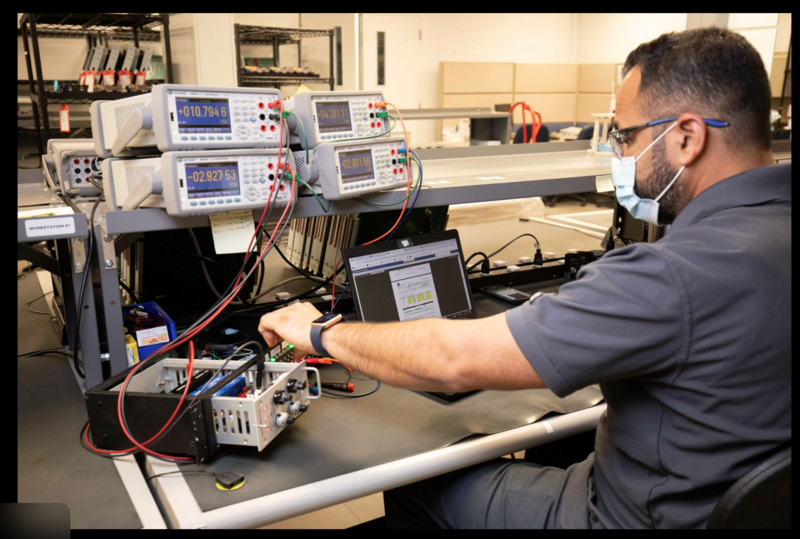
A High Voltage Tester is a critical electrical testing tool used to assess the insulation strength, safety performance, and durability of components and equipment that operate at high voltages. These testers apply controlled high voltage to a device or substance to see if it can handle the electrical stress without failing or leaking current.
High voltage testers are widely used in industrial manufacturing, electrical maintenance, power distribution, automotive systems, HVAC, aerospace electronics, and quality control laboratories. They assist technicians in identifying insulating deficiencies, preventing equipment failure, and ensuring compliance with international safety standards such as IEC, IEEE, UL, and EN regulations.
Modern high voltage testers come in different varieties, including AC/DC high voltage testers, insulation resistance testers, dielectric strength testers, and portable handheld HV.
Modern high voltage testers are classified into several types, including AC/DC hipot testers, insulation resistance testers, dielectric strength testers, and portable handheld HV testers. Advanced types may incorporate digital controls, automatic shutdown protection, real-time leakage monitoring, programmable settings, and safety interlocks to assure proper functioning.
High-voltage testing is essential for avoiding short circuits, fires, and catastrophic device failure. Because these devices operate at dangerous energy levels, operators must adhere to strict safety protocols such as grounding, correct PPE use, maintaining a safe distance, and ensuring the test area is free of unauthorized persons.
Understanding high voltage testers enables engineers, technicians, and maintenance professionals to perform accurate diagnostics, improve equipment lifespan, and maintain a safe electrical environment.
For more information about our services, please contact us at marketingatpl03@gmail.com or visit our website at www.atplonline.net.
|